The Progression of Pelvic Health Awareness: Meryl Alappattu’s Research and Future Plans
 Throughout her research career, Meryl Alappattu, PT, DPT, PhD, has observed significant transformations in the field of pelvic health. Historically, pelvic pain and related conditions lacked widespread awareness, however, Alappattu highlights a recent societal shift towards a better understanding of pelvic health.
When reflecting on the changes in pelvic health research since she received the Kendall Scholarship in 2009, Alappattu says, “The conversation around pelvic pain is becoming a lot more mainstream and is empowering women to ask their providers questions.” Alappattu acknowledges platforms like Tik-Tok and Instagram for their role in allowing pelvic health professionals and advocates to openly discuss women’s health issues, including pelvic floor dysfunction and pain. “Seeing the community that’s being created, and the information that’s being shared, I think, is really important,” she says.
Currently, Alappattu is the principal investigator of two pelvic health research projects. The project, funded by the National Institutes of Health, focuses on identifying the characteristics of women with endometriosis that are responsive to conservative medical therapy. The other recently completed study funded by the Academy of Orthopaedic Physical Therapy, investigated potential gaps in rehabilitative care for individuals undergoing gender-affirming surgery.
Alappattu strongly believes in the importance of her research related to rehabilitation and gender-affirming surgery. “Our perspective was clear,” she shares, “the patients we study may face musculoskeletal pain, mobility challenges, and other issues beyond pelvic floor dysfunction. Thus, any physical therapist in an outpatient setting where patients who have undergone gender-affirming procedures may present for physical therapy should inquire about ongoing issues related to these surgeries. We routinely ask patients about lingering musculoskeletal issues after other surgeries; why wouldn’t we do the same after gender-affirming surgeries?”

Image credit to University of Florida Health
Alappattu’s research journey has been expansive, and she recognizes that the Foundation played a big role in launching that journey. She states, “The funding from the Foundation really enabled me to get more exposure to clinicians, researchers, and other experts in pelvic pain and pelvic health rehab.” This support was instrumental in enabling her to develop the critical questions for her dissertation and to attend relevant pelvic pain conferences during her graduate studies. She affirms, “The opportunities and the connections that I made during my training have really helped me to where I’ve gotten today and are people that I continue to collaborate with.”
As she continues to share her research with a wider audience, Alappattu points out the impact of presenting at conferences like the International Pelvic Pain Society Annual Scientific Meeting and the San Diego Pain Summit. She notes that clinicians from diverse disciplines and practice areas have opened their eyes to previously overlooked issues in patient care after learning more about her team’s research.
She emphasizes the importance of creating a space within the rehabilitation research community where topics like pelvic health are openly discussed and prioritized for further research. Overall, Alappattu stresses, “We need more research in this area to address the needs of patients undergoing these procedures and ensure they have access to the care they deserve.” Alappattu herself plans to continue her research and focus on the pre- and post-surgery roles that physical therapists, occupational therapists, and physical therapy rehabilitation providers can have on patients undergoing gender-affirming treatment.
She points out the importance of doing “anything that can be done to promote, emphasize, and build funds for pelvic health.” She applauds that the Foundation has “already taken an incredibly important step by partnering with the APTA Academy of Pelvic Health Physical Therapy to offer research grants.” Supporting researchers like Alappattu is key to the continued progression of pelvic health awareness.
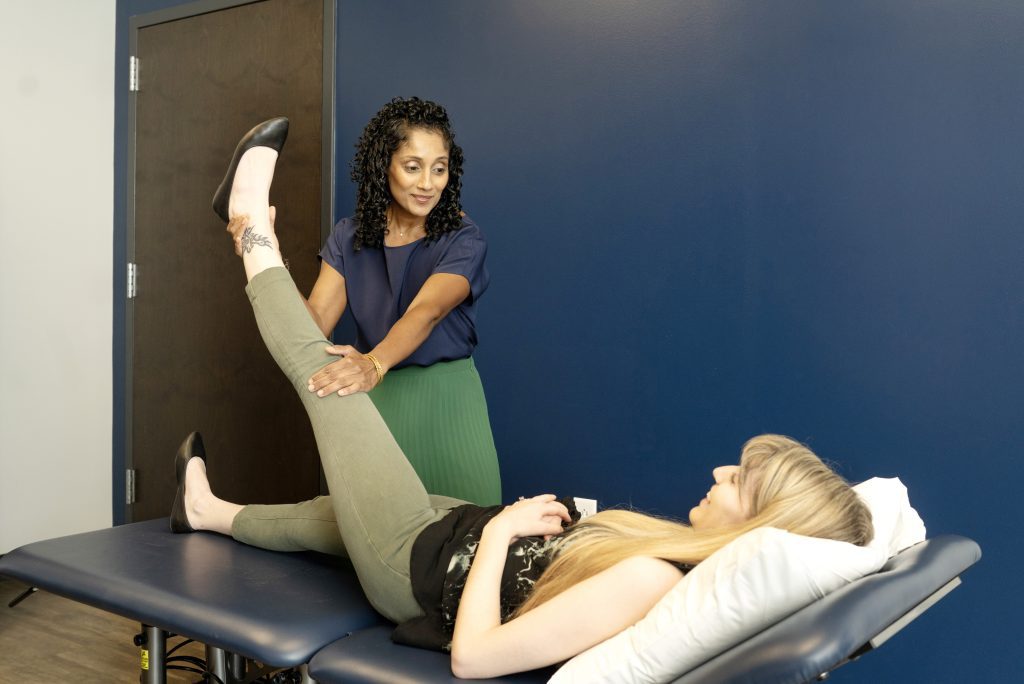
Image credit to University of Florida Health