
Closing the Gap: Research Aims to Improve Outcomes for Hispanic and Latino Patients
Sara Gombatto, PT, PhD is dedicated to improving outcomes for patients with chronic spine pain in the Hispanic and Latino communities. She works with Hispanic and Latino patients with low socioeconomic status who seek services from a federally qualified health center. When asked why she chose to focus her research on Hispanic and Latino communities, she replied, “There’s very little representation in the rehab literature, and I feel like it is our responsibility as educators, researchers, and members of the San Diego community.”
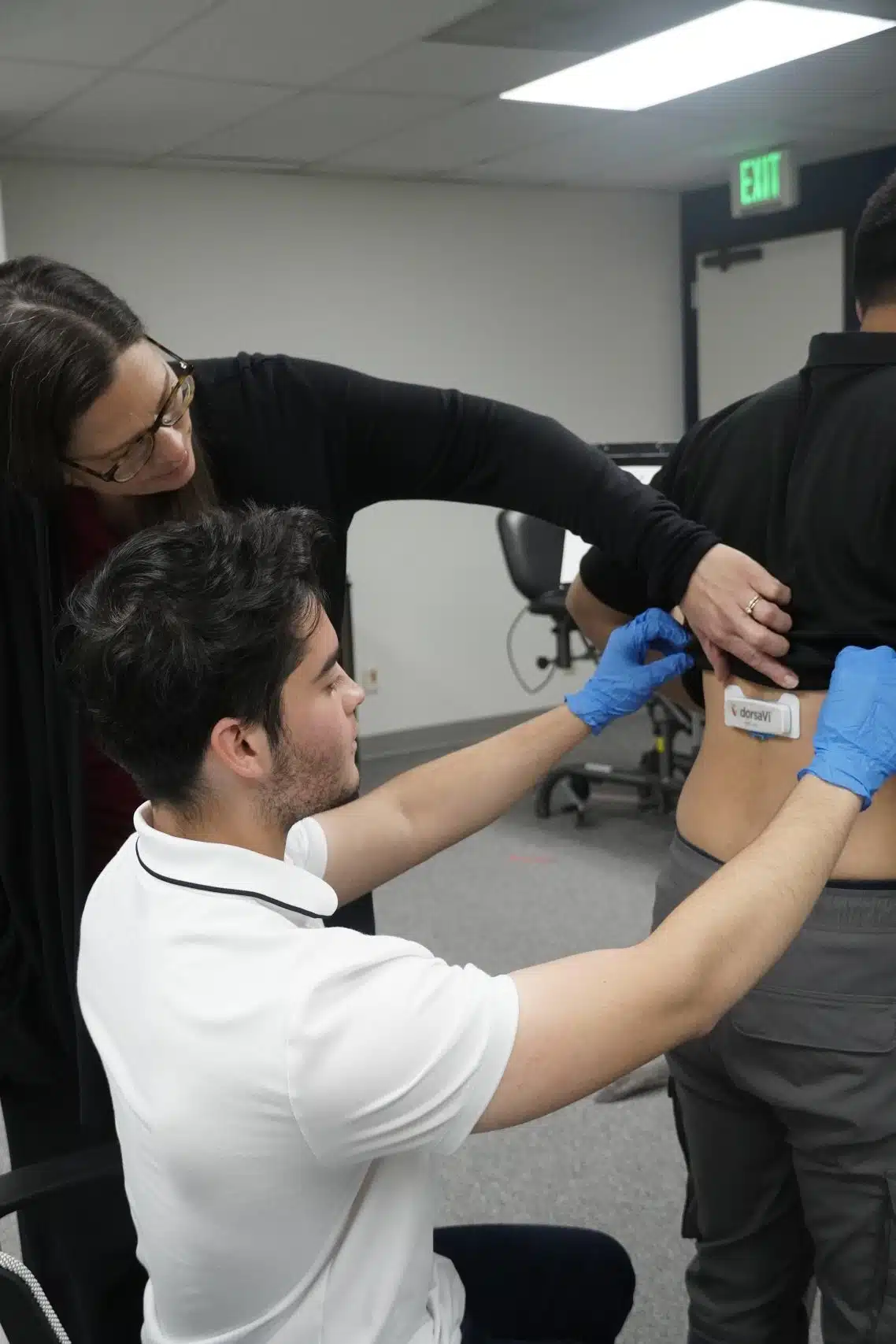
Her current work, in collaboration with Katrina Monroe, PT, PhD, and the Laura Rodriquez Research Institute at Family Health Centers of San Diego, includes developing a multilevel, systems-based intervention to facilitate referral to physical therapy and adherence to it, including expansive culturally appropriate education on how physical therapy can help patients with spine pain. Family Health Centers of San Diego is one of few federally qualified health centers with embedded physical therapist services. Gombatto points out, “They’re really paving the way for expanding research in populations that are typically underrepresented in the research.”
The collaborative research team recently completed a clinical trial of a cognitive behavioral telerehabilitation program — originally developed by Kristin Archer, PT, DPT, PhD and Stephen Wegener, PhD — adapted to consider cultural and linguistic factors and evidence-based practice guidelines for caring for people with spine pain.
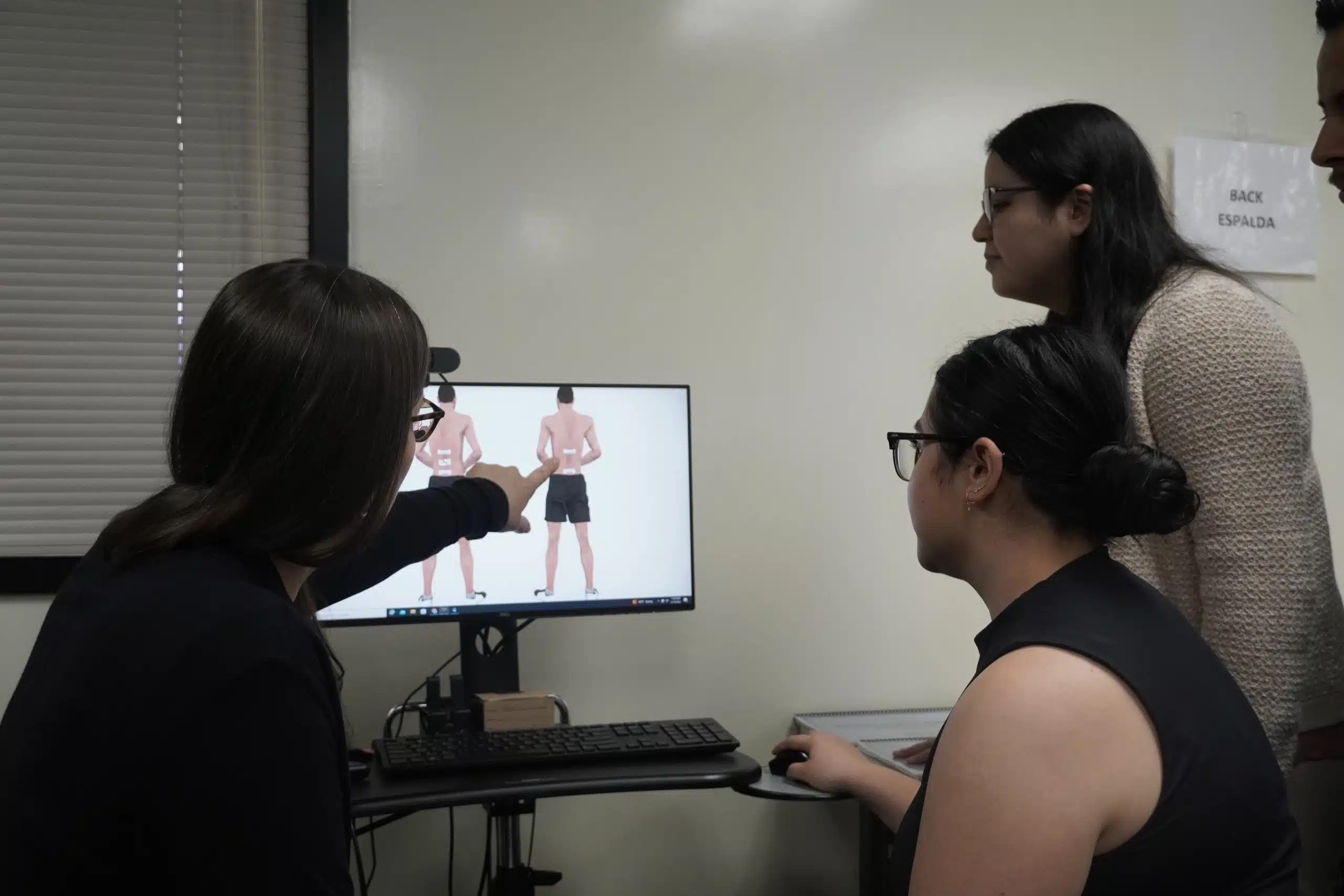
Her biggest takeaway from the research is that Hispanic and Latino patients are less likely to go to physical therapy when they are referred to it. This may be influenced by their pain response, shaped by cultural and work-related factors, or their perception of the healthcare system.
In envisioning the future of health care, Gombatto describes how working with Family Health Centers keeps them “honest” by constantly engaging with clinicians treating patients. She underscores the importance of disseminating and implementing interventions in partnership with clinical practitioners to ensure that research findings translate effectively into actionable items. Overall, she emphasizes the goal “is to do a better job of bridging the gap between research and the clinic.”
Reflecting on her journey, she acknowledges the pivotal role played by the Foundation’s support in facilitating her doctoral education through the Promotion of Doctoral Studies Scholarship. “I would not have been able to support my doctoral education without the Foundation,” she acknowledges. Her gratitude extends to her involvement in the Foundation’s Scientific Review Committee. “I wanted to give back because I had been funded by the Foundation for my doctoral work,” she reflects. Her recognition of the collaborative efforts and mentorship underscores the importance of collective endeavors in driving meaningful advancements in physical therapy research.
Gombatto’s commitment to diversity and inclusivity is evident in her work, with a focus on catering to the needs of diverse patient populations. It is evident that her vision for a more diverse and inclusive research workforce continues to inspire meaningful advancements in the field of physical therapy.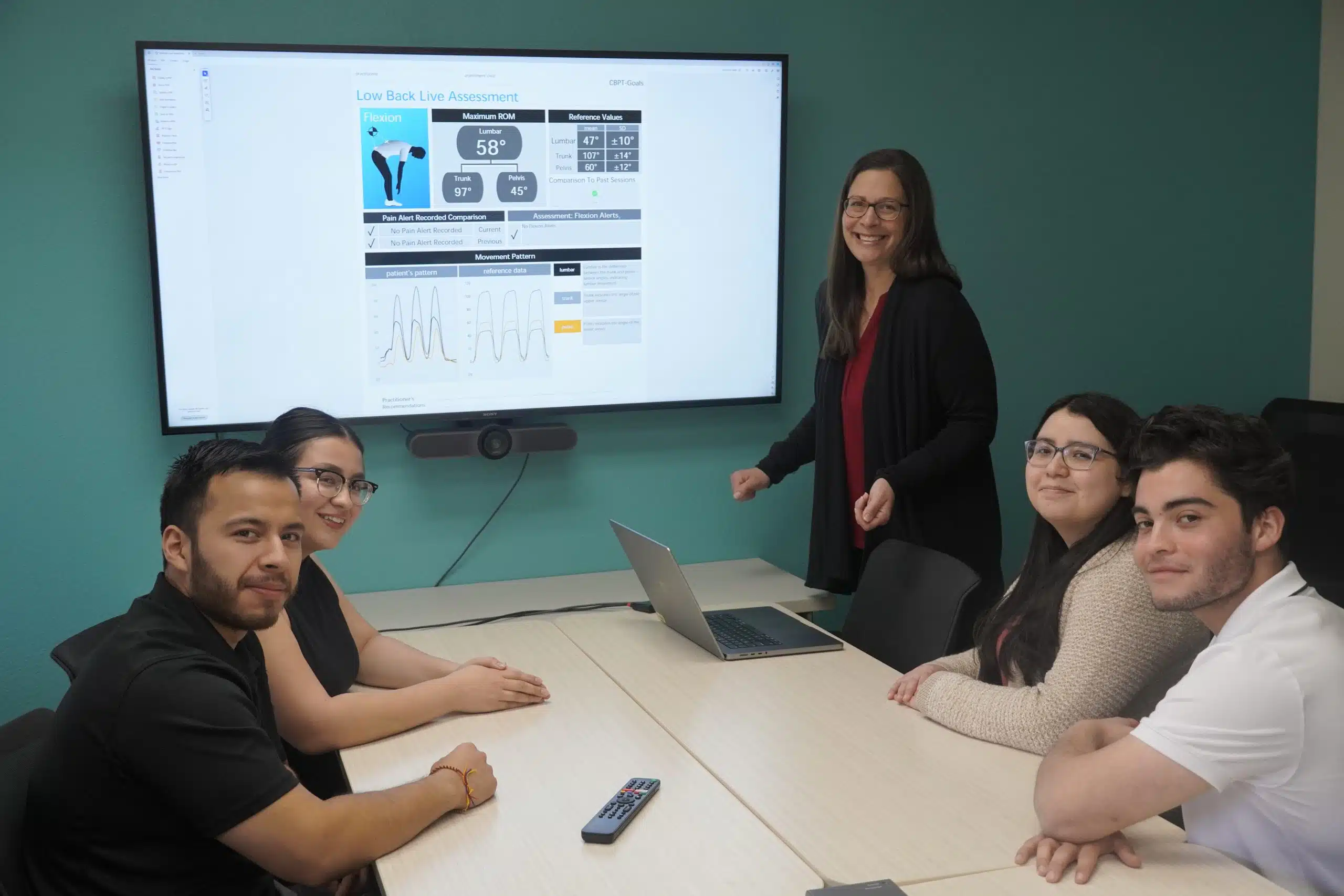
Sara Gombatto, PT, PhD, received the Promotion of Doctoral Studies Scholarship I in 2004 and the Promotion of Doctoral Studies Scholarship II in 2005 and 2006. Subsequently, she served for several years on the Foundation’s Scientific Review Committee, contributing her expertise as a peer reviewer of Promotion of Doctoral Studies scholarships and research grants. She is a professor in the School of Physical Therapy at San Diego State University.
The Foundation is grateful for our many volunteers, like Gombatto, who make the effort to give back and advance both the physical therapy profession and the community. If you, or a researcher you know, want to learn more about how to become part of our SRC peer-review process, please contact Foundation to learn more.
STAY CONNECTED
Use this form to sign up for the Foundation for Physical Therapy Research monthly newsletter.